


Connected mobile devices – from tablets and rugged handhelds to wearables and label printers – are now essential tools in patient care. They help clinicians work faster and more accurately, but as more devices are used, hospitals face growing cybersecurity risks.
The March 2026 cyberattack on medical-tech company Stryker is a clear example of how quickly a disruption can spread. The attack caused a global outage along with some employee’s laptops and phones being wiped. This raised concerns across the healthcare industry because many hospitals rely on Stryker’s devices and support.
Events like this show why hospitals need strong security of their own. The right protection keeps devices safe, reduces downtime and helps hospitals stay operational. Strong security also helps protect patient data and maintain critical workflows.
Key Takeaways
-
Medical devices are becoming more connected and vulnerable to cyberattacks.
-
Global standards guide secure development and long-term protection.
-
A strong security program requires proper inventory, access controls, network protection, continuous monitoring and regular updates.
-
Healthcare organizations must protect against malware, ransomware, software vulnerabilities and risks tied to network-connected devices.
Why Cybersecurity Matters in Healthcare
Connected medical devices help clinicians diagnose and treat patients, but they can also become targets. A single incident can interrupt care, expose patient data or shut down important hospital systems. Protecting devices ensures reliable performance and keeps clinical workflows running smoothly.
Real-World Example: Stryker Cyberattack Shows Growing Risks
In March 2026, medical device and service provider Stryker was hit by a cyberattack. Employees reported seeing a hacking group’s logo on login screens, and some remote devices running Microsoft Windows were wiped or made unusable.
The incident caused a global outage across company systems and impacted tens of thousands of workers.
Why This Matters for Hospitals
When a major device manufacturer experiences an attack, updates, support services and repairs can be delayed. Hospitals that rely on those devices may have to wait for patches, replacements or security support. This reinforces the need for strong internal controls, including Mobile Device Management (MDM), so hospitals can act quickly and stay secure – even if a vendor is offline.
Understanding the Risks to Patients & Hospitals
Cyber incidents can shut down lifesaving devices or disrupt essential hospital operations. International Medical Device Regulators Forum warns that some cybersecurity attacks have made devices and networks completely inoperable, putting patient care at risk.
Consequences of Security Breaches in Medical Devices
-
Unauthorized access can change device performance or expose sensitive data.
-
Ransomware and malware attacks increase downtime and financial loss.
-
Breaches can lead to penalties, lost trust and long-lasting operational damage.
Best Practices for Securing Medical Devices in Healthcare
Most hospitals have 10 to 15 connected medical devices per bed, and with 166,000 hospitals expected worldwide by 2029, the number of devices will continue to rise. Protecting them requires the following best practices:
Use Strong Access Controls
-
Limit who can use and adjust medical devices by using rotated passwords, multi-factor authentication (MFA) and role-based permissions. This ensures only authorized technicians and clinicians can make changes.
Apply Regular Software & Firmware Updates
-
Apply patches and maintain long-term update support to protect devices from vulnerabilities.
Segment Networks
-
Separate medical devices from the main hospital network so malware cannot spread easily.
Encrypt Data
-
Encrypt data and use secure VPNs to protect patient information as it moves between devices and backend systems.
Implement Mobile Device Management Software
-
Use MDM to manage and secure devices from one dashboard. MDM can push updates, enforce password and app policies, track device health, lock or wipe lost devices, and ensure devices only connect to approved networks.
Continuous Device Monitoring
-
Use logs, alerts and real-time dashboards to catch unusual activity or early signs of a breach before patient care is affected.
Ongoing Staff Training
-
Train clinicians and support teams on phishing, safe device use and how to react to suspicious behavior.
Vendor Collaboration
-
Work with device manufacturers to understand built-in security features, update schedules and end-of-support timelines. This supports proactive upgrades and lifecycle planning.
Common Cybersecurity Threats to Medical Devices
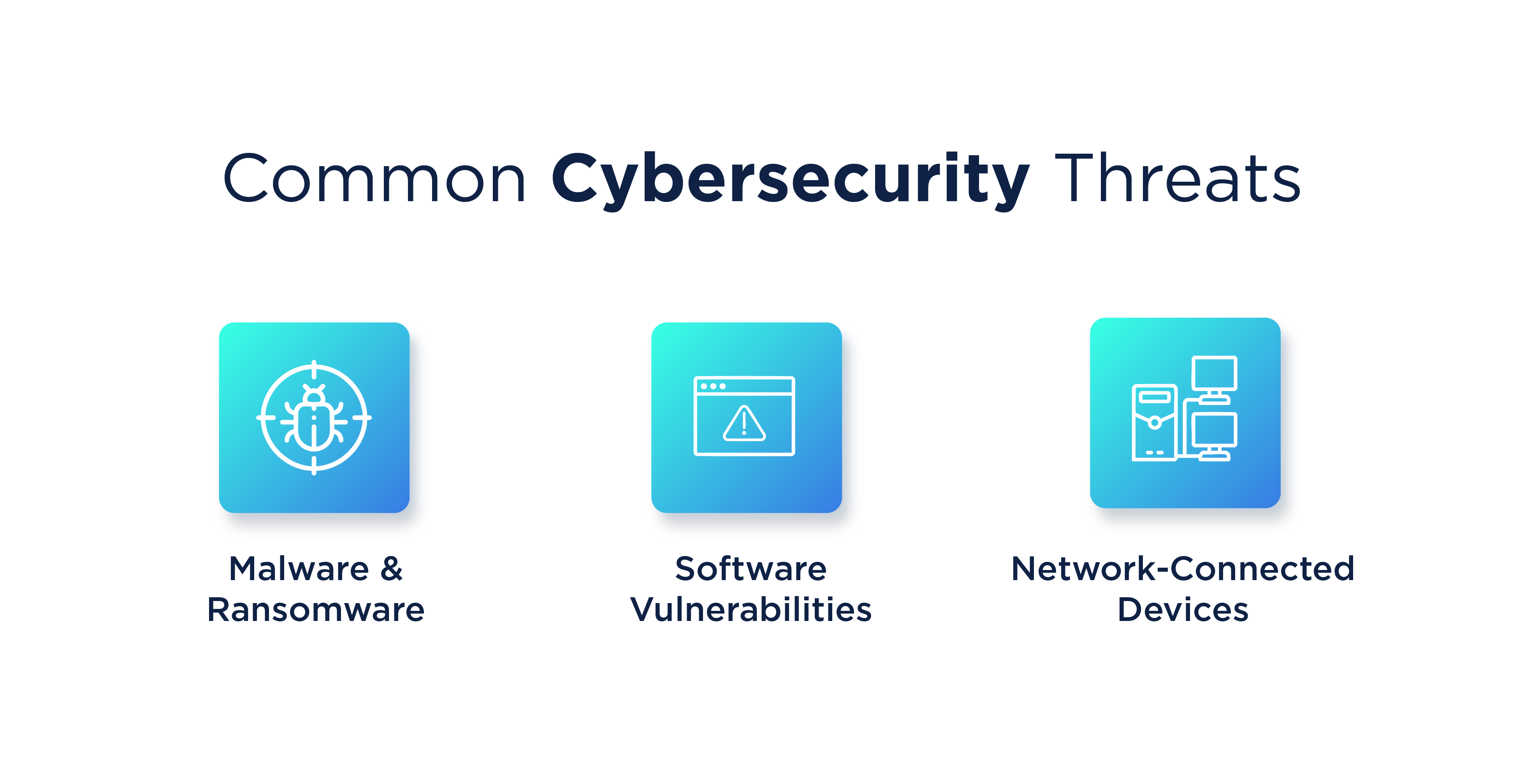
Malware & Ransomware Attacks
-
Can lock clinical systems, encrypt data or disable devices.
-
Often spread through phishing, outdated software or unsecured networks.
Software Vulnerabilities in Medical Devices
-
Bugs in device software can give attackers a way in.
-
Missing firmware updates increases risk.
Risks From Network-Connected Devices
-
Devices connected to hospital Wi-Fi are targets for unauthorized access.
-
Default passwords, open ports or unpatched systems create attack pathways.
Future Trends in Healthcare Cybersecurity
-
More devices designed with “security-by-design” principles
-
Cybersecurity labeling for faster risk assessment
-
AI-powered tools for real-time threat detection
-
Stronger lifecycle management to retire unsupported devices
Conclusion
Cyberattacks in healthcare are becoming more common, and the Stryker incident shows how threats can affect both hospitals and companies within the healthcare industry. A single vendor outage can slow down updates, services and support. Strong internal protection, such as MDM, network controls and continuous monitoring, help hospitals stay secure and productive.
By following proven practices, healthcare organizations can reduce risk, protect patient data and keep critical devices safe and reliable throughout their lifecycle.
Strengthen your device security today. See how the SOTI ONE Platform supports healthcare organizations.